How to effectively tackle upper lip lines
By Dr Anand Raman · Published · Updated · 4 min read
Upper lip lines, often referred to as “smoker’s lines” or “lipstick lines,” can be a source of frustration for many individuals as they age. These fine lines and wrinkles above the upper lip can result from various factors, including repetitive muscle movements, sun damage, and the natural aging process. Fortunately, there are several effective treatments available, including Botox and polynucleotides. This guide explores how to effectively address upper lip lines and restore a smoother, more youthful appearance.
Understanding Upper Lip Lines
Upper lip lines are small, vertical wrinkles that form above the upper lip. They can make the lips appear less defined and cause lipstick to bleed into the lines, which is why they are often called “lipstick lines.” Several factors contribute to the development of these lines, including:
- Aging: As we age, the production of collagen and elastin decreases, leading to thinner, less elastic skin.
- Sun Exposure: UV radiation from the sun breaks down collagen and elastin, accelerating the aging process and the formation of wrinkles.
- Repetitive Movements: Frequent puckering of the lips, whether from smoking, drinking through a straw, or habitual facial expressions, can cause these lines to form.
- Genetics: Your genetic makeup can influence how and when your skin shows signs of aging.
Botox for Upper Lip Lines
Botox is a highly effective treatment for reducing the appearance of upper lip lines. Botox works by temporarily paralyzing the muscles that contribute to the formation of these lines. By relaxing these muscles, Botox smooths out the skin and reduces the depth of wrinkles.
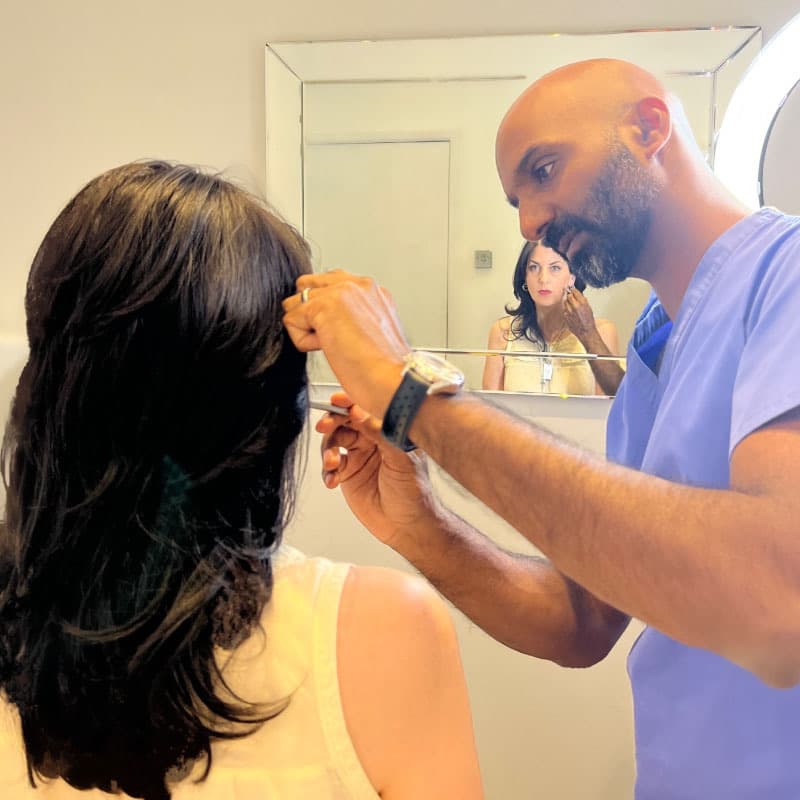
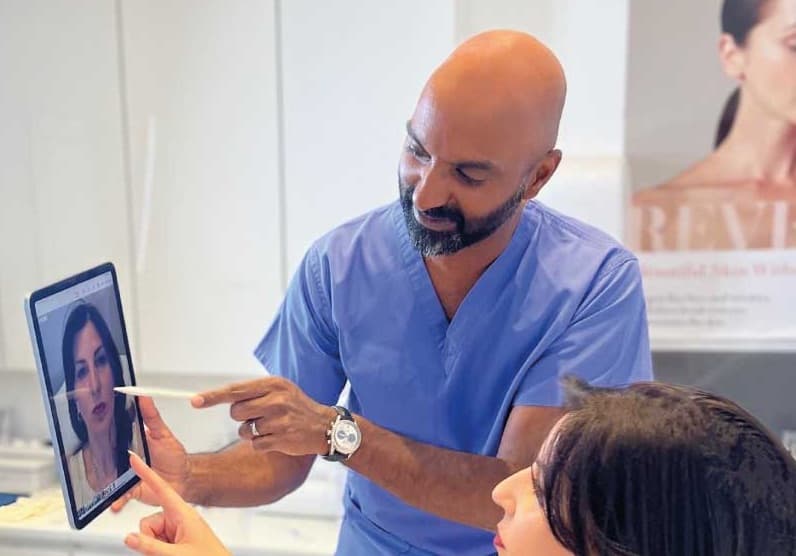
When you visit our Clapham clinic for Botox treatment, your practitioner will begin with a thorough consultation to assess your skin and discuss your goals. The treatment itself involves a series of small injections directly into the muscles around the upper lip. The procedure is quick, usually taking about 10-15 minutes, and involves minimal discomfort.
The results of Botox injections for upper lip lines typically become noticeable within a few days, with full effects appearing after about two weeks. These results can last for three to four months, after which the treatment can be repeated to maintain a smooth, youthful appearance.
Polynucleotides for Skin Regeneration
Polynucleotides are a relatively new and promising treatment for skin regeneration and rejuvenation. Polynucleotides are long chains of nucleotides that play a crucial role in cell repair and regeneration. When injected into the skin, polynucleotides stimulate the production of collagen and elastin, improve hydration, and enhance overall skin quality.
For upper lip lines, polynucleotides can be particularly effective because they address the underlying causes of aging at a cellular level. This treatment not only helps to reduce the appearance of existing lines but also improves the skin’s texture and elasticity, preventing the formation of new wrinkles.
The procedure involves injecting polynucleotides into the skin using fine needles. This can be done at our Clapham clinic, where experienced practitioners ensure that the treatment is administered safely and effectively. The results of polynucleotide treatments are gradual, with improvements typically seen over several weeks as the skin regenerates and repairs itself.
Combining Treatments for Optimal Results
Combining Botox and polynucleotides can provide comprehensive rejuvenation for the upper lip area. Botox effectively addresses the muscle activity that causes wrinkles, while polynucleotides enhance the skin’s structure and quality. This dual approach can lead to longer-lasting and more natural-looking results.
Your practitioner will evaluate your skin and recommend a personalized treatment plan that may include both Botox and polynucleotides. By addressing both the muscle movements and the skin quality, you can achieve a smoother, more youthful upper lip area.
Aftercare and Maintenance
Following your treatments, it is important to adhere to any aftercare instructions provided by your practitioner to ensure optimal results. Common recommendations include avoiding strenuous exercise, refraining from touching or massaging the treated area, and staying upright for a few hours post-treatment. These steps help to prevent any migration of the injected substances and ensure they work effectively on the targeted areas.
Additionally, maintaining a good skincare routine, protecting your skin from sun damage, and avoiding habits that contribute to the formation of upper lip lines, such as smoking and excessive puckering, can help prolong the results of your treatments.
Conclusion
Upper lip lines can be effectively tackled with advanced treatments such as Botox and polynucleotides. These treatments offer a non-surgical solution to reduce the appearance of wrinkles and rejuvenate the upper lip area. By choosing a qualified practitioner and following a personalized treatment plan, you can achieve smoother, more youthful-looking skin. With the right approach, you can restore your confidence and enjoy a refreshed appearance.
Contact us today at our Dr Raman Medical Aesthetics clinic in Balham for a personalised consultation. We’re more than just a Botox clinic—we’re your partners in your aesthetic journey in Clapham.
Feel free to book Botox treatments at our clinic in Balham with Dr. Raman on our booking page.
Our clinic has another article about whether you should do a polynucleotides treatment on an area previously treated.
Frequently asked questions
How can I get rid of upper lip lines?
Botox and polynucleotides are two effective non-surgical treatments for upper lip lines. Botox relaxes the muscles that crease the skin above the lip. Polynucleotides improve the quality and structure of the skin itself. A practitioner can assess your skin and recommend a personalised plan that may use one or both treatments.
What causes upper lip lines?
Upper lip lines, also called smoker's lines or lipstick lines, come from several factors. With age, the skin makes less collagen and elastin, so it becomes thinner and less elastic. Sun exposure breaks down collagen and elastin. Repeated puckering, for example from smoking or drinking through a straw, and your genetics also play a part.
How long does Botox for upper lip lines last?
Results usually last three to four months, and then the treatment can be repeated. You typically see a change within a few days, with the full effect after about two weeks. The treatment itself is a series of small injections into the muscles around the upper lip and usually takes about 10 to 15 minutes.
How do polynucleotides help upper lip lines?
Polynucleotides are injected into the skin with fine needles to stimulate collagen and elastin, improve hydration and improve skin quality. For upper lip lines, they can help reduce existing lines and improve texture and elasticity. The results are gradual and are typically seen over several weeks as the skin repairs itself.
What aftercare is needed after treatment for upper lip lines?
Follow the aftercare instructions your practitioner gives you. Common advice is to avoid strenuous exercise, not to touch or massage the treated area, and to stay upright for a few hours. These steps help stop the injected product from moving. A good skincare routine, sun protection and avoiding smoking can help the results last longer.