PRP Treatment for Hair Loss: How Safe is it?
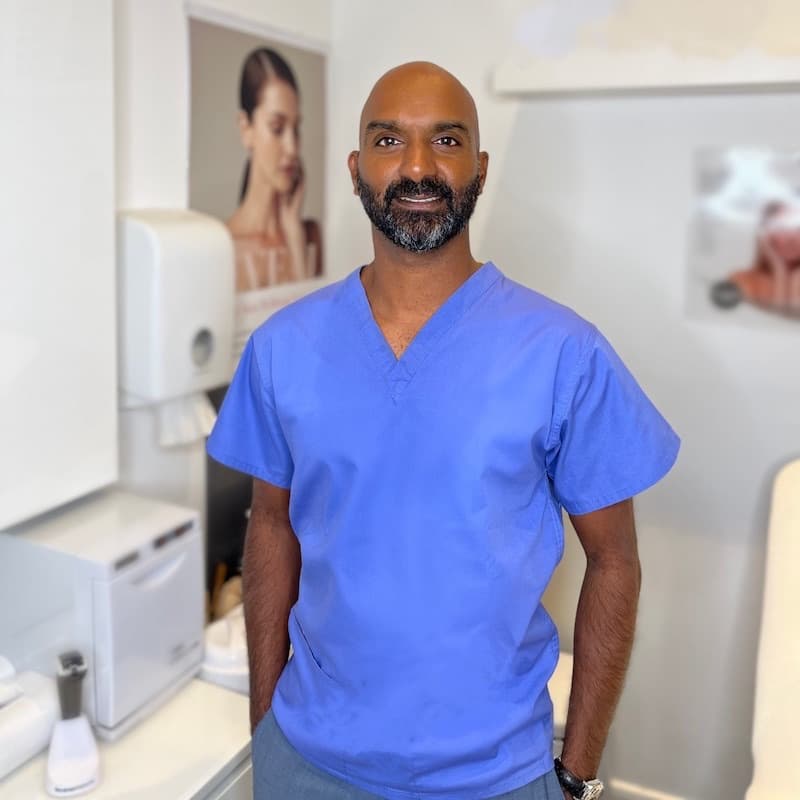
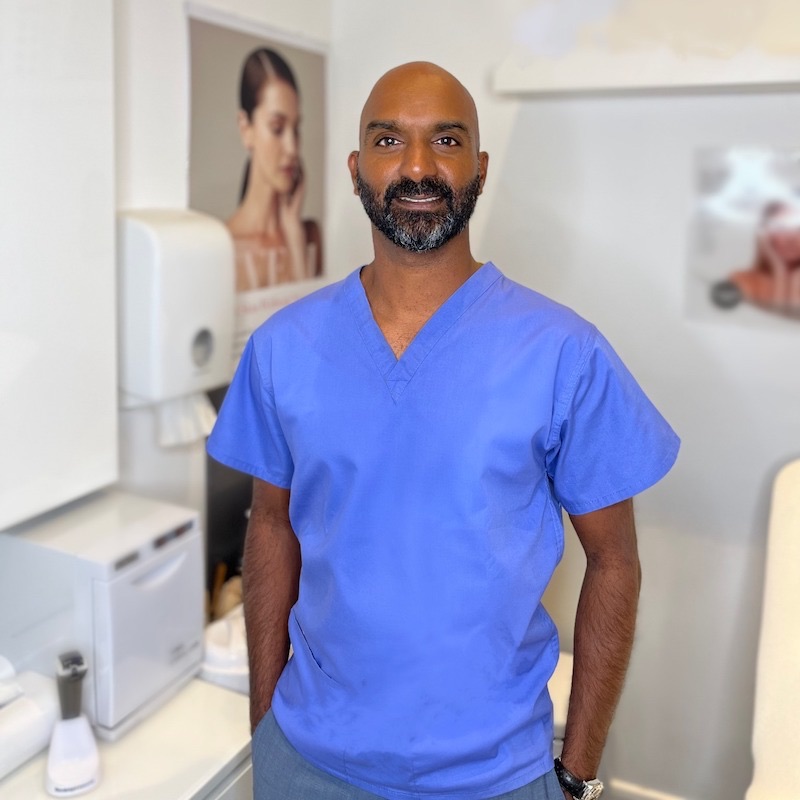
By Dr Anand Raman · Published · Updated · 2 min read

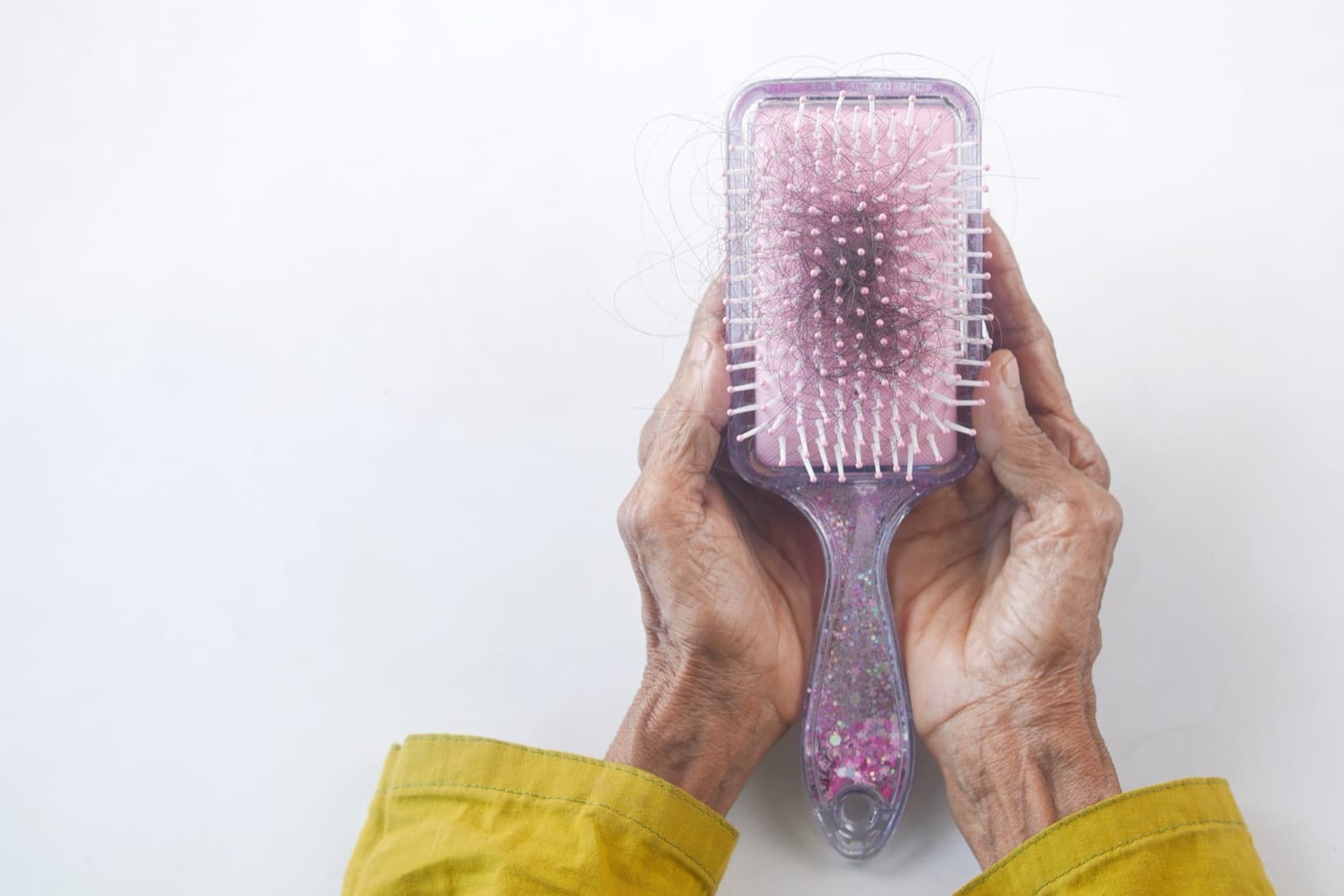
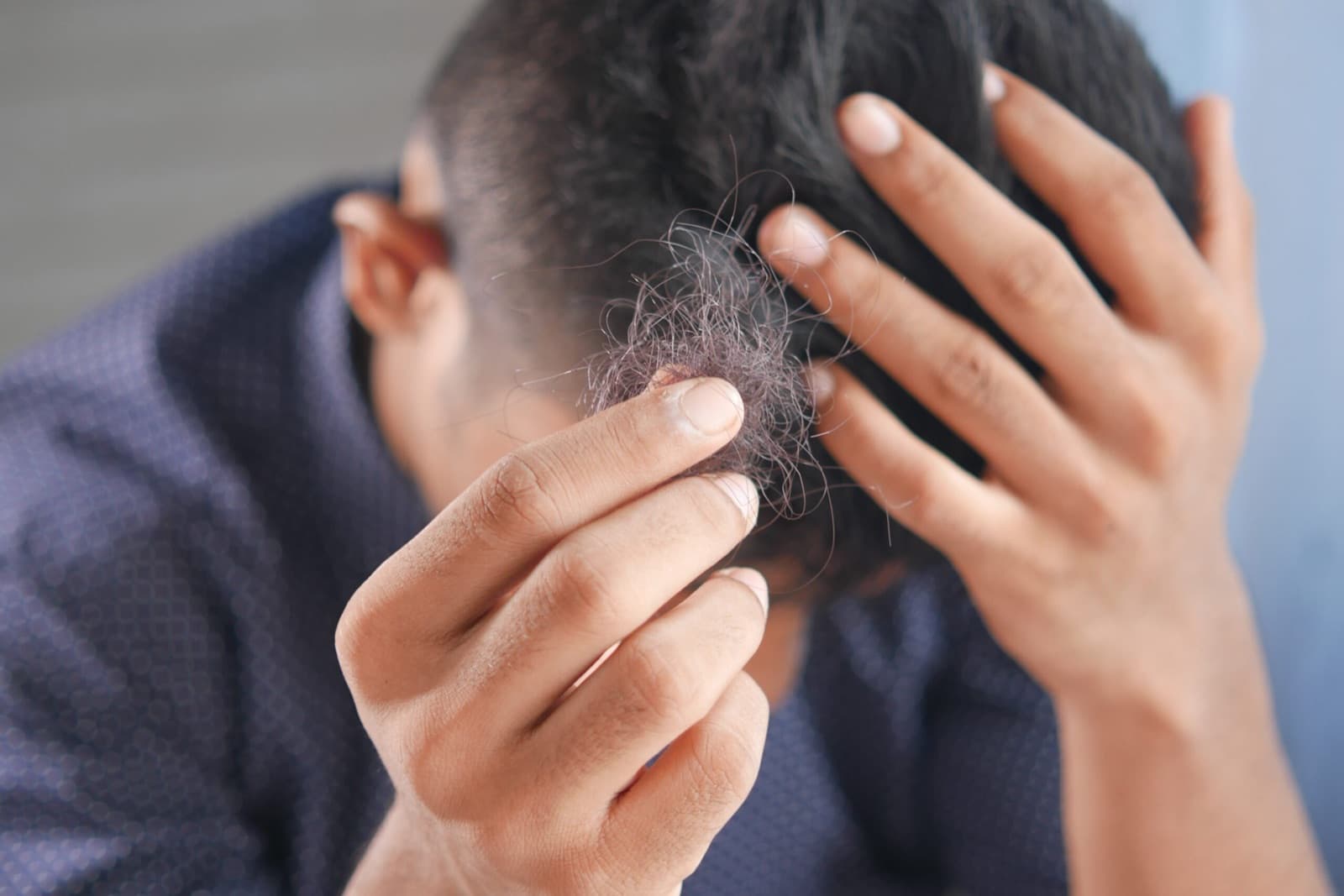
Hair loss can be a significant concern for many people. It can affect one’s self-esteem, and finding a safe and effective solution can often feel overwhelming. As a leading PRP Treatment clinic in London, we understand the importance of providing treatments that are not only effective but also safe for our clients. In this post, we will explore the safety of PRP (Platelet-rich plasma) treatments for hair loss.
Platelet-rich plasma (PRP) therapy has been used in various medical fields for decades, including orthopaedics, dentistry, and cosmetic surgery. Recently, PRP has gained attention as a promising treatment for hair loss. The procedure involves using the patient’s own blood platelets to stimulate the natural growth of hair.
But, how safe is PRP Treatment for hair loss?
Since PRP uses your own blood, the risk of allergic reaction or infection is significantly reduced compared to treatments using foreign substances. This is one of the key reasons why PRP Treatment in London and worldwide has been recognised as a safe procedure.
Before starting the procedure, our qualified healthcare professional will assess your medical history to determine if PRP treatment is suitable for you. Certain conditions may affect the safety and effectiveness of PRP treatment, such as blood disorders, active infections, or cancer. This is why a comprehensive consultation is essential before any treatment.
During the treatment, a small amount of your blood is taken and processed in a centrifuge to isolate the platelets. These are then re-injected into your scalp, precisely into areas experiencing hair loss. The procedure is carried out under controlled, sterile conditions to reduce any risk of infection.
Most clients report minimal discomfort during PRP treatment. Topical anaesthetics can be used to improve comfort during the injection process. After the procedure, it’s normal to experience some tenderness or swelling, which typically subsides within a day or two.
As with any treatment, there may be potential side effects, but these are generally mild. These can include temporary bruising, mild pain at the injection site, scalp tenderness, or headache.
While PRP treatment has proven to be a safe and effective method for hair loss, the results may vary depending on individual factors. These can include the degree of hair loss, age, overall health, and consistency of treatments. Therefore, it’s important to have realistic expectations and follow the treatment plan advised by your healthcare provider.
At our clinic in London, we are committed to delivering PRP Treatment safely and effectively. We provide personalised treatment plans, ensuring that the procedure is as comfortable as possible, while aiming to achieve the best possible results.
If you’re struggling with hair loss and are interested in exploring safe and effective treatment options, reach out to us today. Let’s work together to help you regain confidence in your hair.
Feel free to book PRP treatments at Dr Raman Medical Aesthetics with Dr. Raman on our booking page.
Our London clinic offers another article about the effectiveness of PRP treatments.
Frequently asked questions
Is PRP for hair loss safe?
Yes, PRP for hair loss is recognised as a safe procedure. It uses your own blood platelets, so the risk of allergic reaction or infection is much lower than with treatments that use foreign substances. The procedure is done under controlled, sterile conditions to reduce the risk of infection further.
What are the side effects of PRP for hair loss?
Side effects are generally mild. They can include temporary bruising, mild pain at the injection site, scalp tenderness or headache. Some tenderness or swelling after the procedure is normal and typically settles within a day or two.
Who should not have PRP treatment?
Some conditions can affect the safety and effectiveness of PRP, such as blood disorders, active infections or cancer. For this reason, a qualified healthcare professional should review your medical history in a full consultation before treatment, to check that PRP is suitable for you.
Does PRP for hair loss hurt?
Most people report minimal discomfort during PRP treatment. A topical anaesthetic can be used to make the injections more comfortable. Afterwards, some tenderness or swelling is normal and typically goes within a day or two.
Does PRP work for everyone with hair loss?
Results vary from person to person. They depend on the degree of hair loss, age, overall health and how consistently you have treatments. It is important to have realistic expectations and to follow the treatment plan your healthcare provider advises.