When to get polynucleotides treatment for best results?
By Dr Anand Raman · Published · Updated · 2 min read
Polynucleotide treatments have become a popular choice in aesthetic medicine for their remarkable ability to rejuvenate the skin and promote cellular regeneration. To achieve the best results, it’s crucial to understand the optimal timing for these treatments. This article provides insights into when to schedule your polynucleotide treatments to maximize their benefits.
Timing Your Treatment
Age Considerations
- Early 30s to Mid-40s: Preventative Approach
- For individuals in their early 30s to mid-40s, polynucleotide treatments can serve as a preventative measure against early signs of aging. Starting treatments at this age can help maintain skin elasticity, hydration, and overall health, delaying the onset of more noticeable wrinkles and sagging.
- Mid-40s and Beyond: Restorative Approach
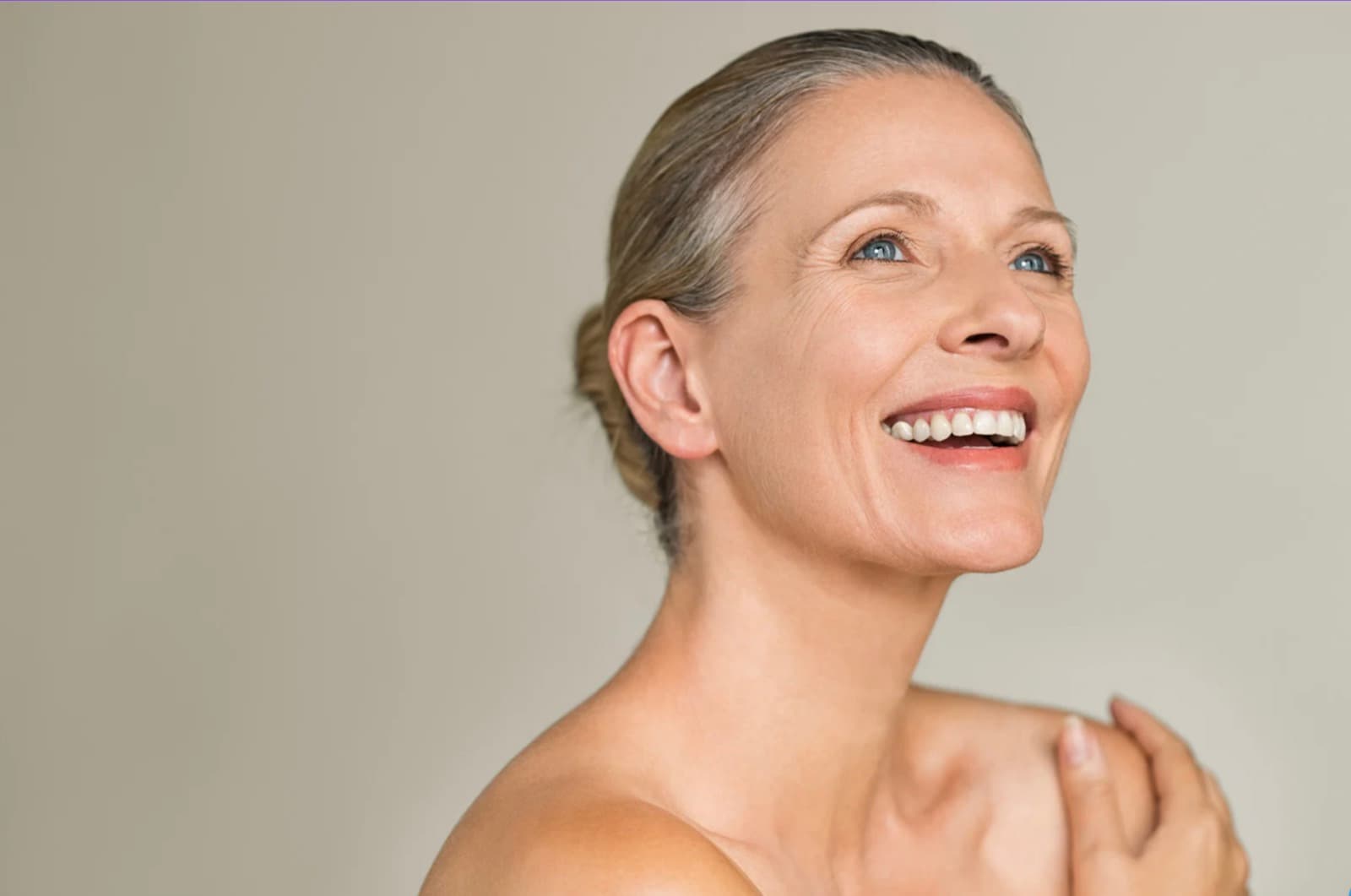
- For those in their mid-40s and older, polynucleotide treatments can provide restorative benefits. As the skin’s natural repair mechanisms slow down with age, these treatments help to rejuvenate and restore the skin’s youthful appearance by promoting collagen and elastin production and improving hydration.
Seasonal Considerations
- Spring and Fall: Ideal Timing
- The best time to schedule polynucleotide treatments is during the spring and fall. During these seasons, the weather is milder, which helps minimize the risk of extreme temperature-related skin reactions. Additionally, these seasons typically coincide with lower levels of UV exposure compared to summer, reducing the risk of sun damage during the healing process.
- Avoiding Harsh Weather
- It’s advisable to avoid scheduling treatments during extreme weather conditions. In summer, high temperatures and intense sun exposure can increase the risk of complications, while in winter, cold and dry air can affect the skin’s healing process.
Specific Events and Occasions
- Special Events: Plan Ahead
- If you are considering polynucleotide treatments before a special event, such as a wedding or a major social gathering, plan your treatment well in advance. Ideally, schedule the treatment at least 2 to 3 months before the event. This allows ample time for the full effects of the treatment to manifest and ensures any potential side effects have subsided.
- Regular Maintenance: Consistent Schedule
- For ongoing skin maintenance, regular polynucleotide treatments every 6 to 12 months can help sustain the benefits. Consistency is key to maintaining skin health and achieving long-lasting results.
Conclusion
Polynucleotide treatments offer significant benefits for skin rejuvenation, but timing is crucial to achieve optimal results. Whether you are in your early 30s looking to prevent early signs of aging, or in your mid-40s and beyond seeking restorative benefits, scheduling treatments during the right seasons and planning ahead for special events can maximize the effectiveness of polynucleotides. If you are based in Clapham or South London and are interested in exploring polynucleotide treatments, our clinic provides expert guidance and personalized care to help you achieve your aesthetic goals safely and effectively.
Contact us today at our Dr Raman Medical Aesthetics clinic in Balham for a personalised consultation. We’re more than just a Botox clinic—we’re your partners in your aesthetic journey in Clapham.
Feel free to book Botox treatments at our clinic in Balham with Dr. Raman on our booking page.
Our clinic has another article about whether you can work out before and after a polynucleotides treatment.
Frequently asked questions
When is the best time to get polynucleotides?
Spring and autumn are the best seasons for polynucleotide treatment. The milder weather reduces the risk of skin reactions to extreme temperatures, and UV exposure is usually lower than in summer. This lowers the risk of sun damage while the skin heals.
What age should you start polynucleotides?
From the early 30s to mid-40s, polynucleotides can be used to prevent early signs of ageing and keep skin elastic and hydrated. From the mid-40s onward, they are used to restore the skin, by promoting collagen and elastin production and improving hydration as natural repair slows with age.
How long before a wedding should I have polynucleotides?
Ideally at least 2 to 3 months before the event. This gives the full effects time to develop and lets any side effects settle first. The same advice applies to any major social occasion.
How often should I repeat polynucleotide treatments?
For ongoing maintenance, every 6 to 12 months. Regular treatments help keep the benefits, and consistency is key to long-lasting results. It is best to avoid booking treatment in extreme weather: heat and strong sun in summer, and cold, dry air in winter, can affect healing.