Are there areas of the body that are more receptive to Botox?
By Dr Anand Raman · Published · Updated · 3 min read
Botox has become a versatile tool in the world of cosmetic and medical treatments, offering benefits ranging from wrinkle reduction to pain relief. However, not all areas of the body respond to Botox with the same effectiveness. In this article, we will explore which areas are more receptive to Botox and why.
Facial Areas Most Receptive to Botox
Forehead Lines
The forehead is one of the most common areas for Botox treatment. The repetitive movement of raising the eyebrows causes horizontal lines that can be effectively smoothed out with Botox. This area is highly receptive because the muscles are relatively thin and the skin is more elastic.
Glabellar Lines
The glabellar lines, or “frown lines” between the eyebrows, respond very well to Botox. These lines form due to the frequent movement of the corrugator muscles when frowning or squinting. Botox relaxes these muscles, resulting in a more relaxed and youthful appearance.
Crow’s Feet
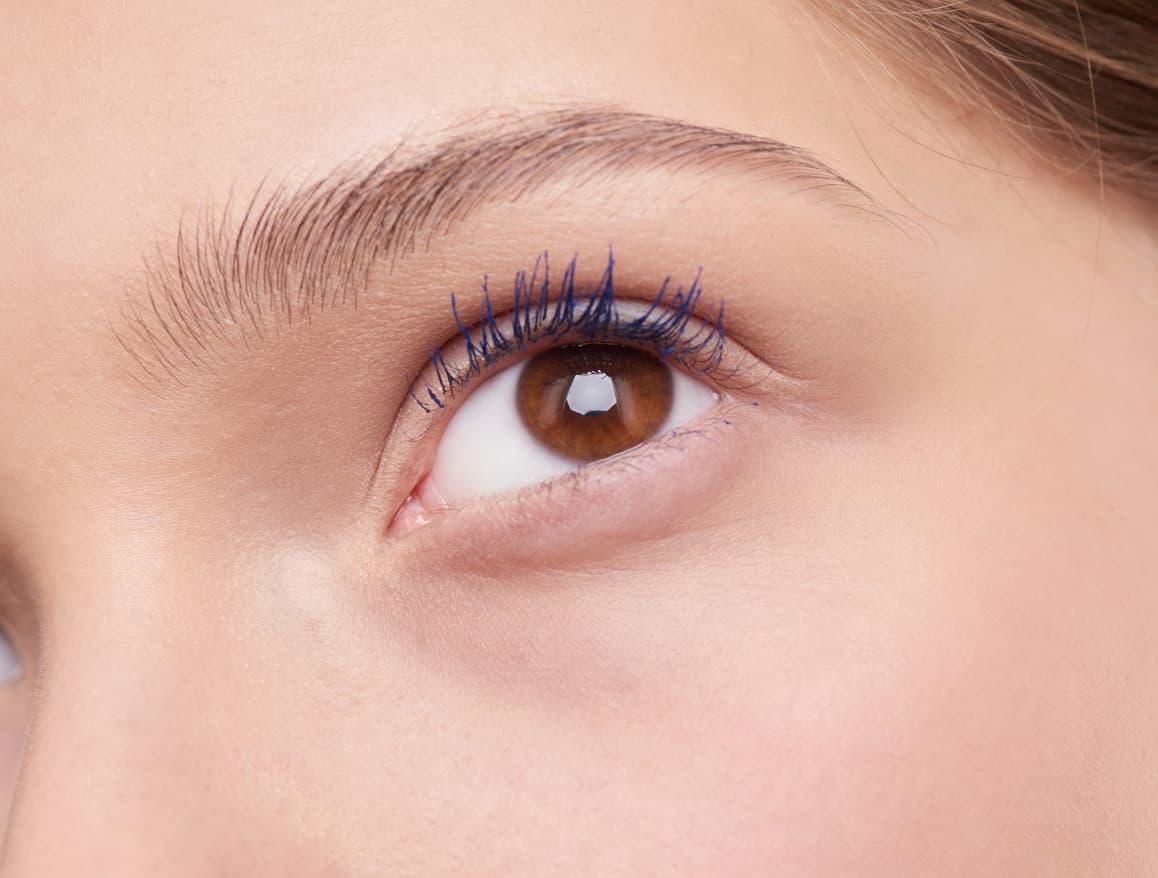
The lines that form around the outer corners of the eyes, known as crow’s feet, are another area where Botox is highly effective. These wrinkles are caused by smiling and squinting, and Botox can help soften them by relaxing the orbicularis oculi muscle.
Other Facial Areas
Bunny Lines
Bunny lines are the wrinkles that appear on the sides of the nose when smiling or scrunching the nose. Botox can smooth these lines by targeting the nasalis muscle.
Jawline and Masseter
Botox can also be used to slim the jawline by relaxing the masseter muscles. This is particularly beneficial for individuals with bruxism (teeth grinding) or those seeking a more V-shaped face.
Non-Facial Areas Receptive to Botox
Neck Bands
Vertical neck bands, also known as platysmal bands, can be effectively treated with Botox. These bands become more prominent with age as the platysma muscle tightens and thins. Botox helps relax these muscles, reducing the appearance of neck bands and creating a smoother neck contour.
Dr Raman offers this treatment as the Nefertiti neck lift, which also defines the jawline.
Trapezius Muscles (Traptox)
As mentioned in a previous article, Botox can be used to relax the trapezius muscles, reducing muscle tension and pain while also improving the aesthetic appearance of the neck and shoulders.
Hyperhidrosis Treatment
Botox is also highly effective for treating hyperhidrosis (excessive sweating) in areas such as the underarms, palms, and soles of the feet. Botox works by blocking the nerves responsible for activating sweat glands, thereby reducing sweating significantly.
Conclusion
Botox is a versatile treatment that can be applied to various areas of the body with great effectiveness. The forehead, glabellar lines, crow’s feet, and other facial areas respond exceptionally well to Botox, making it a popular choice for cosmetic enhancements. Additionally, non-facial areas like the neck, trapezius muscles, and regions affected by hyperhidrosis also benefit significantly from Botox treatments.
If you’re considering Botox, it’s essential to consult with a qualified practitioner who can assess your individual needs and recommend the best treatment areas. Our clinic in Clapham, South London, specializes in personalized Botox treatments to help you achieve your desired results. Contact us today to book your consultation and learn more about how Botox can enhance your appearance and well-being.
Contact us today at our Dr Raman Medical Aesthetics clinic in Balham for a personalised consultation. We’re more than just a Botox clinic—we’re your partners in your aesthetic journey in Clapham.
Feel free to book Botox treatments at our clinic in Balham with Dr. Raman on our booking page.
Our clinic has another article about the truth on Traptox.
Frequently asked questions
Which areas of the body respond best to Botox?
On the face, forehead lines, frown lines between the eyebrows and crow's feet respond especially well. Botox can also slim the jawline by relaxing the masseter muscles. Outside the face, the neck, the trapezius muscles and areas with excessive sweating also benefit from Botox.
Can Botox slim the jawline?
Yes. Botox can slim the jawline by relaxing the masseter muscles. This is particularly helpful for people with bruxism (teeth grinding) or for people who want a more V-shaped face.
Can Botox treat excessive sweating?
Yes. Botox is highly effective for hyperhidrosis (excessive sweating) in areas such as the underarms, palms and soles of the feet. It blocks the nerves that activate the sweat glands, which reduces sweating significantly.
Can Botox be used on the neck?
Yes. Vertical neck bands, also called platysmal bands, can be treated with Botox. These bands become more visible with age. Botox relaxes the platysma muscle, which reduces the look of the bands and gives a smoother neck. Botox can also relax the trapezius muscles to reduce tension and pain.
How does Botox treat crow's feet?
Crow's feet are lines at the outer corners of the eyes, caused by smiling and squinting. Botox softens them by relaxing the orbicularis oculi muscle. Before treatment, a qualified practitioner should assess your needs and recommend the best areas to treat.