Botox treatment may lessen anxiety
By Dr Anand Raman · Published · Updated · 2 min read
While Botox treatments are best known for their ability to reduce wrinkles and fine lines, an emerging area of research suggests that these injections may also have an impact on anxiety. In this blog post, we’ll explore this fascinating potential benefit of Botox.
Botox, or botulinum toxin, works by blocking the signals from nerves to muscles, reducing muscle activity and consequently smoothing out wrinkles. This is why most clients seek Botox at our Clapham clinic – for aesthetic purposes.
However, some research suggests that Botox could potentially have an impact on our mood and emotions, including feelings of anxiety. But how does this work?
The “facial feedback hypothesis” proposes that our facial expressions can influence our emotions. This means that when we frown or look worried, it can contribute to feelings of sadness or anxiety. If Botox reduces our ability to frown by relaxing the muscles responsible, could it also reduce the feedback our brain receives about feeling anxious or stressed?
While research on this topic is still in the early stages, some studies suggest there could be a link. A small study published in the Journal of Psychiatric Research found that patients who received Botox injections for frown lines reported lower levels of anxiety and depression.
Of course, it’s important to stress that Botox should not be viewed as a replacement for traditional treatments for anxiety.
These findings do provide an interesting insight into the interconnected nature of our emotions and physical expressions. It’s a reminder that taking care of our physical appearance can sometimes have a more profound effect on our wellbeing than simply making us look younger or fresher.
If you’re interested in exploring Botox treatments, we welcome you to our clinic in South London. We believe in the power of these treatments to boost confidence and enhance natural beauty, and it’s exciting to see research suggesting that there could be even more benefits to discover.
In conclusion, while Botox is primarily used to enhance our physical appearance, the potential for it to also affect our emotional state is a fascinating area of study. It’s yet another reminder that our physical and emotional wellbeing are often closely linked.
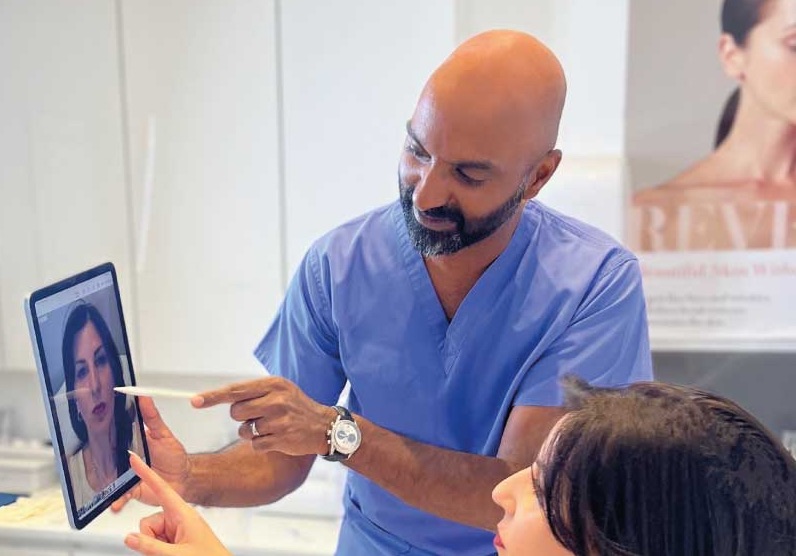
For more information about Botox, or to book an appointment, get in touch with our team at our Clapham clinic. We’re committed to providing expert advice and top-quality treatments to our clients, whatever their aesthetic goals may be.
Feel free to book Botox treatments at our clinic in Clapham with Dr. Raman on our booking page.
Our clinic has another article on preventative Botox and how to enjoy the full benefits of the treatment.
Frequently asked questions
Can Botox help with anxiety?
Possibly, but research is still at an early stage. A small study in the Journal of Psychiatric Research found that patients who had Botox for frown lines reported lower levels of anxiety and depression. Botox should not be seen as a replacement for traditional treatments for anxiety.
What is the facial feedback hypothesis?
It is the idea that facial expressions can influence emotions. For example, frowning or looking worried may add to feelings of sadness or anxiety. Because Botox reduces the ability to frown, this raises the question of whether it also reduces the feedback the brain receives about feeling anxious or stressed.
How does Botox work?
Botox, or botulinum toxin, blocks the signals from nerves to muscles. This reduces muscle activity and smooths out wrinkles. Most people have Botox for this aesthetic reason, although some research suggests it may also have an effect on mood and emotions.